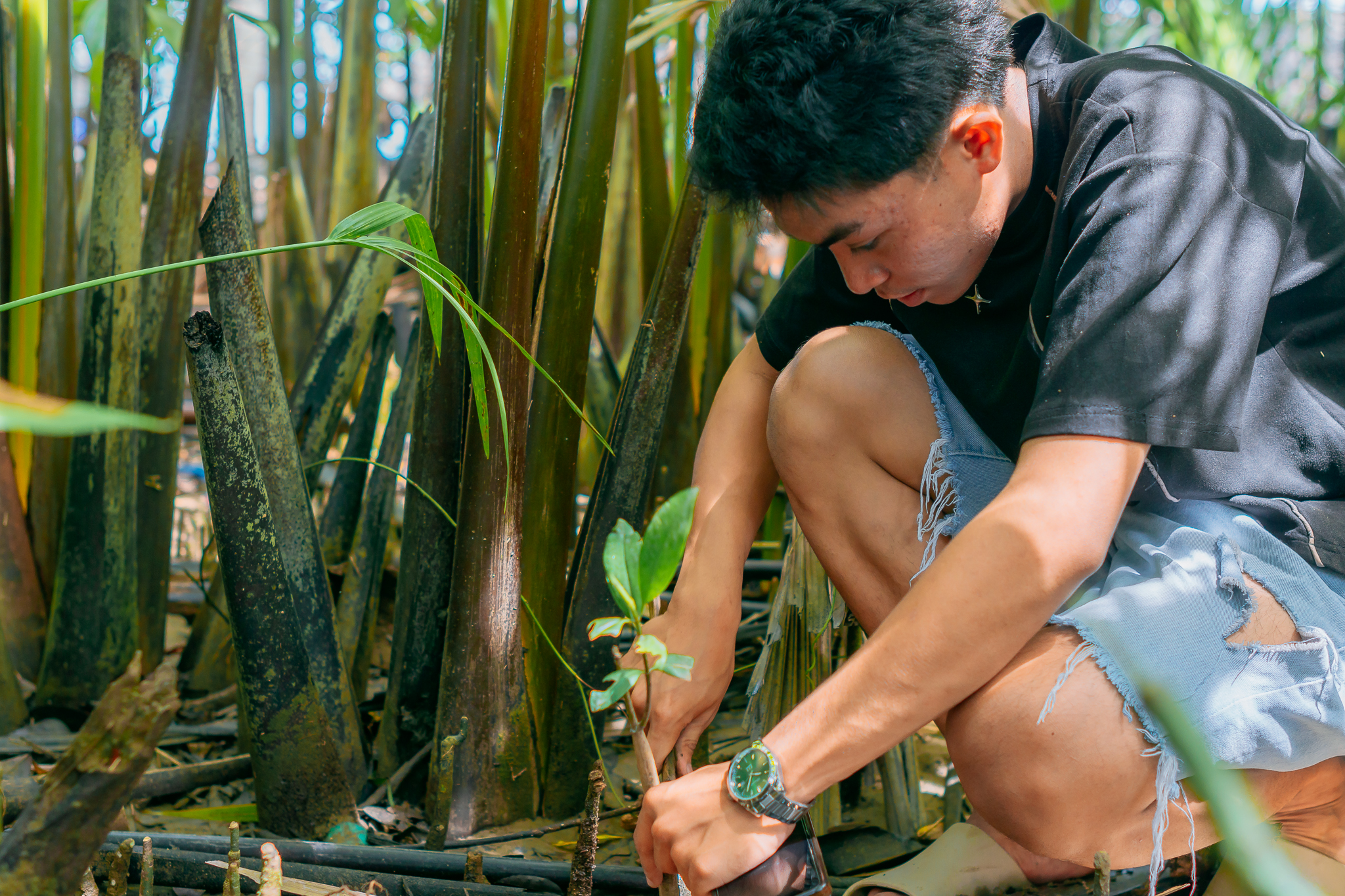
RECEIVE community resilience in the Philippines
Country
Organisation
Partners
Duration
Total budget
Participants
Contact
paula.dellaroza@educo.orgProject summary
The RECEIVE project strengthens community resilience in the Bicol region through emergency education, disaster preparedness, and child participation. Through BarangayChildren’s Organizations and trained teachers, the project promotes risk reduction initiatives, community campaigns, and school-based mechanisms to ensure educational continuity during climate-related crises. It fosters childleadership, social-emotional learning, and an organized community response to emergencies.
Why was the project developed?
The Bicolregion faces constant climate-related risks—typhoons, floods, volcanic eruptions, and landslides—that disrupt education and affect children’s well-being. The lack of meaningful participation by children in risk management and limited teaching capacities during emergencies prompted the development of the project. RECEIVE aims to prepare vulnerable communities, ensure educational continuity, and empower children as agents of climate resilience.
Applicable activities
1. Informative Education
2. Empowering Advocacy
3. Building Resilience

Examples of activities
Informative Education
- Training children on basic concepts of risk reduction and climate change.
- Teacher training in Education in Emergencies, SEL, and positive discipline.
- Development and integration of disaster preparedness content in schools.
Empowering Advocacy
- Campaigns led by BCO and young people on climate, risks, and community preparedness.
- Creation of communication and early warning materials by children’s groups.
- Awareness-raising activities in communities and schools.
Building Resilience
- Distribution of “go-bags” and educational continuity kits.
- Establishment of emergency education mechanisms in 30 schools.
- Implementation of community-based DRR activities and drills.
- Post-disaster psychosocial activities.
